
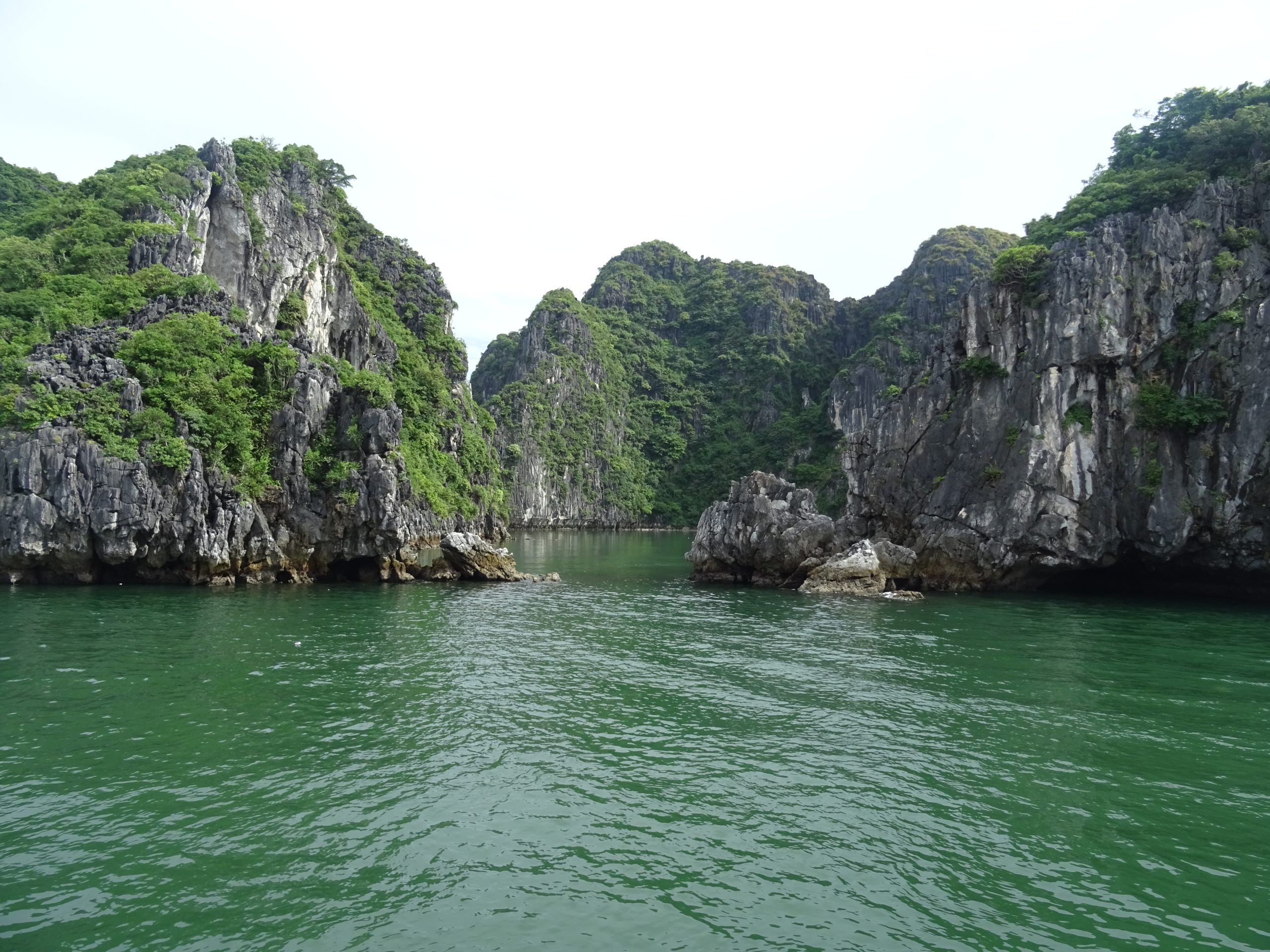
Lan Ha Bay stands as a quieter extension of Halong Bay, set just off Cat Ba Island in Hai Phong. This crescent-shaped seascape spans over 7,000 hectares, with nearly 400 limestone islands, hidden beaches, and calm emerald waters. It now forms part of the UNESCO-listed Ha Long Bay – Cat Ba Archipelago, reflecting both natural beauty and ecological value.
This guide focuses on what matters most for planning your journey in 2026. You will find clear advice on what to do, when to visit, and how to travel from Hanoi or Hai Phong. It also explains how to choose the right cruise, including wellness-led and experiential routes with Bhaya Cruises.
Overview of Lan Ha Bay
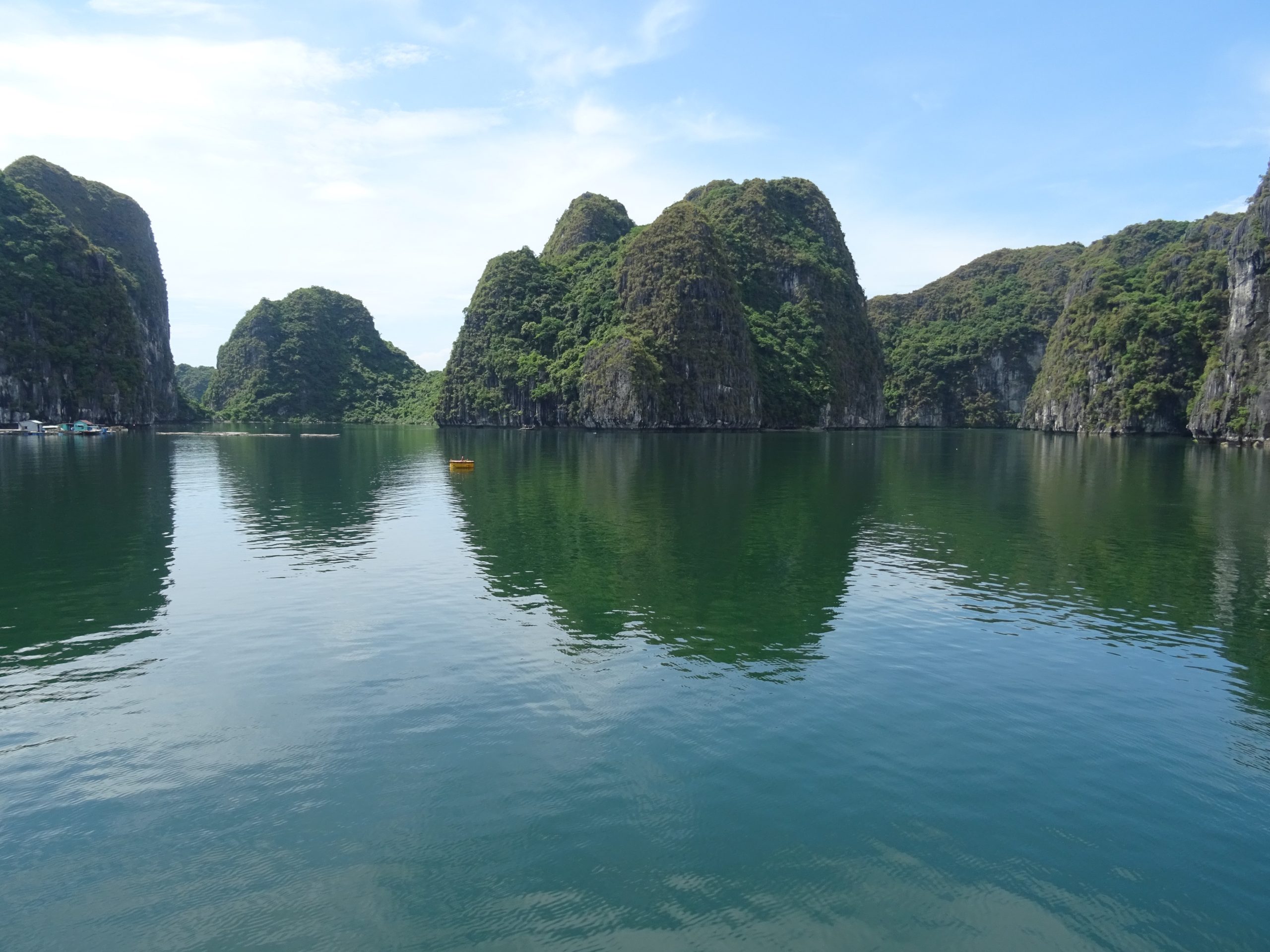
Lan Ha Bay lies in the Gulf of Tonkin, south of Halong Bay and east of Cat Ba Island, about 30 km from Hai Phong city center. The bay covers more than 7,000 hectares, with over 5,400 hectares linked to Cat Ba National Park, a recognized UNESCO biosphere reserve. Today, it forms part of the broader Ha Long Bay – Cat Ba Archipelago World Heritage Site.
Lan Ha Bay holds over 400 karst islands, 139 small sandy beaches, and calm waters protected by natural formations. Beneath the surface, coral reefs and tidal ecosystems support marine life, while caves and saltwater lakes shape the landscape above.
Compared with central Halong Bay, Lan Ha feels more measured. Fewer boats enter its coves, which makes it well suited for kayaking, swimming, and relaxed cruising. Many travelers now choose Lan Ha for its quieter pace, especially when combined with Cat Ba Island for trekking or cycling.
Is Lan Ha Bay Worth Visiting?
Yes. Lan Ha Bay is worth visiting, especially if you prefer a quieter and more nature-focused experience.
The bay offers fewer day boats and more protected areas, which creates better conditions for kayaking and swimming. Its small beaches and hidden lagoons feel less crowded, while floating fishing villages add a cultural layer to the journey.
Many travelers now view Lan Ha as a strong alternative to Halong Bay. Some even combine both in one itinerary to experience contrast: iconic views in Halong and calmer waters in Lan Ha.
Best Time To Visit Lan Ha Bay
Lan Ha Bay follows a humid subtropical climate with four distinct seasons. Each season offers a different experience, so timing depends on your priorities.
- Spring (February to April) and Autumn (September to November) provide the most balanced conditions. Temperatures remain mild, skies are clearer, and the sea stays calm. These months suit cruising, kayaking, and photography.
- Summer (May to August) brings higher temperatures and humidity. It is ideal for swimming and beach time, but domestic travel peaks and storms may occur, especially in July and August.
- Winter (December to January) is cooler, with fewer crowds. While swimming becomes less common, this season works well for trekking on Cat Ba Island and enjoying a quieter cruise atmosphere.
How To Get To Lan Ha Bay From Hanoi, Halong & Hai Phong?
Lan Ha Bay is usually accessed via Cat Ba Island or through cruise routes departing from Halong. The journey has become more efficient thanks to new expressways and improved connections.
- From Hanoi, the most common route is a 2–2.5 hour drive via the expressway to Halong (Tuan Chau Marina). Many cruises depart from here and include Lan Ha Bay in their itinerary. Another option is traveling to Hai Phong or Cat Hai Island, then taking a ferry or cable car to Cat Ba.
- From Hai Phong or Cat Bi Airport, the journey is shorter. A direct transfer to Cat Hai Island connects to Cat Ba via ferry or cable car. From there, boats depart from Beo Port into Lan Ha Bay.
Many cruise operators, including Bhaya Cruises, offer round-trip shuttle services from Hanoi. This simplifies the process, as transfers, boarding, and itineraries are arranged in one package.
* Note: Travelers should check updated ferry schedules, cable car operations, and any 2026 regulations before departure, as routes may adjust based on weather or environmental policies.
Top Things To Do In Lan Ha Bay
Lan Ha Bay rewards travelers who prefer a slower pace and close contact with nature. Activities here focus on gentle exploration rather than fast movement. Most experiences are best arranged through a well-planned cruise, where routes, timing, and access points are already coordinated.
Sail On An Overnight Lan Ha Bay Cruise
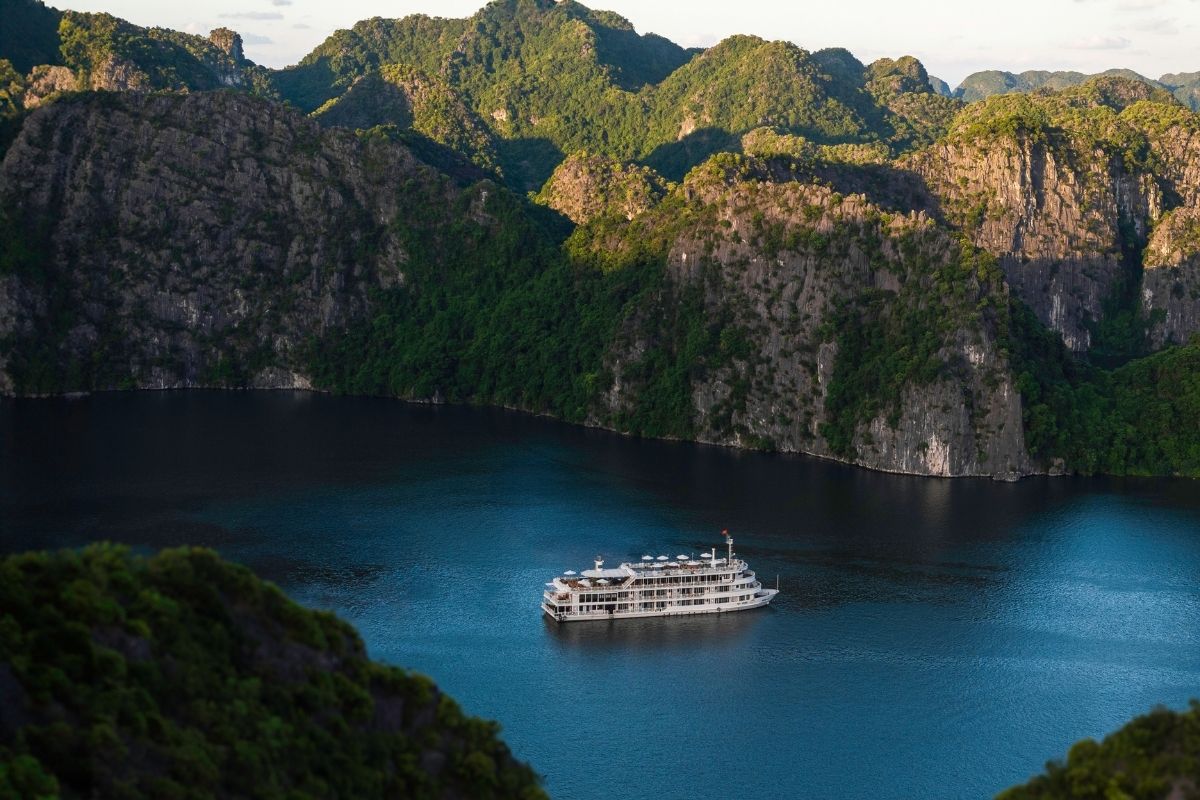
An overnight cruise remains the most seamless way to explore Lan Ha Bay. It combines transport, accommodation, meals, and guided excursions into one steady journey.
Cabins are typically en-suite, with large windows or private balconies. Days unfold at a calm rhythm: morning tai chi, daytime excursions, sunset views on deck, and quiet evenings with optional squid fishing.
Bhaya Cruises offers two ways to experience this side of the bay, as Lan Ha Bay has grown increasingly crowded with new, super-yacht-style vessels in recent years:
- Bhaya Soul steers away from the busier waters toward the calmer, quieter stretch on the border of Lan Ha and Halong Bay, with meditation sessions and a slower sailing pace. Explore the 2D1N Bhaya Soul itinerary.
- The Au Co follows a similar route into these quieter waters, offering a fuller cultural voyage across both bays. Explore the 2D1N The Au Co itinerary.
This format reduces planning stress and allows you to experience multiple parts of the bay without frequent transfers.
Kayaking & Hidden Lagoons
Lan Ha Bay is one of the most suitable areas in northern Vietnam for kayaking. The water remains calm due to natural shelter from limestone formations, and many routes lead into enclosed lagoons.
Areas such as Ba Ham Lake and the Dark and Light Cave feature low tunnels that open into quiet inner lagoons. These spaces feel enclosed and still, surrounded by vertical cliffs and vegetation.
Kayaking here requires no advanced skill. Most cruises provide equipment and guides. However, access zones may change over time, so it is important to follow updated routes set by local authorities in 2026.

Beaches, Swimming & Relaxation
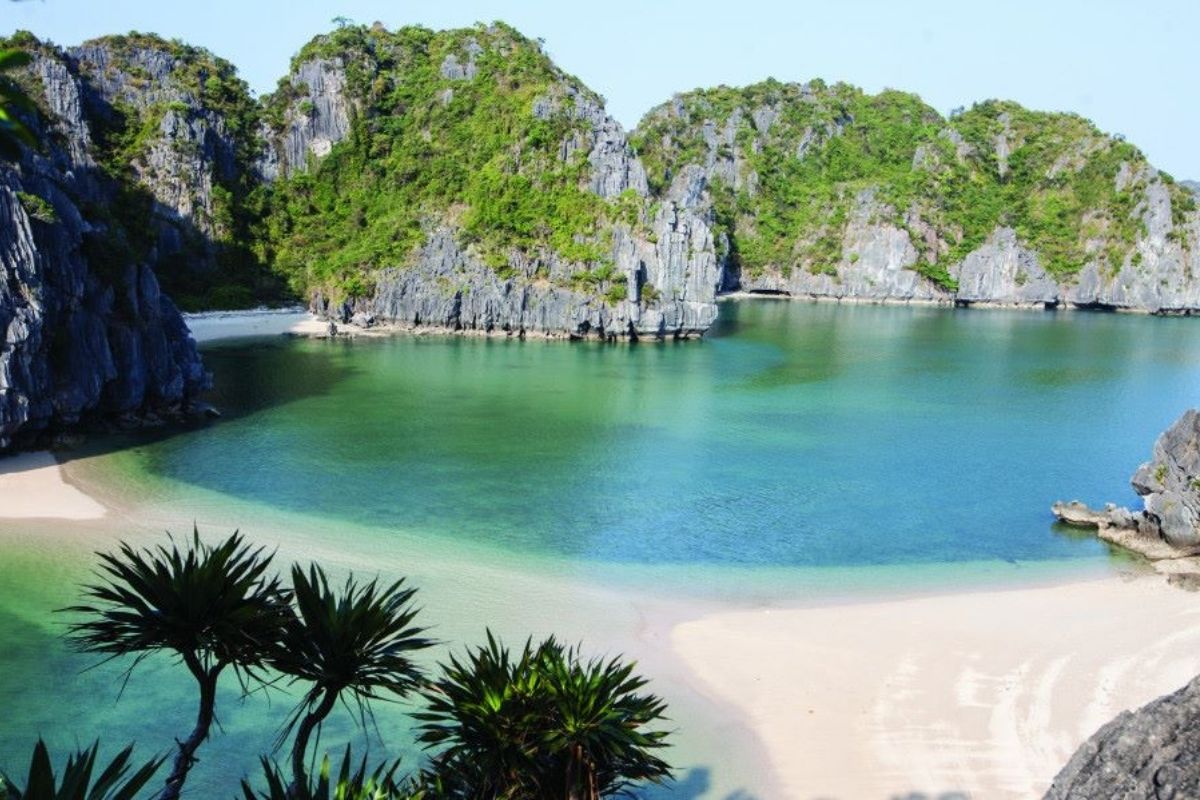
Lan Ha Bay offers many small beaches rather than large stretches of sand. This creates a more private and controlled setting for swimming and rest.
Beaches such as Ba Trai Dao, Van Boi, and Cat Dua (Monkey Island) are known for shallow water and soft sand. These locations are often reached by small boats from anchored cruises.
Tides play an important role. Some beaches, especially Ba Trai Dao, are only accessible during specific hours. Cruise itineraries usually adjust timing to match safe conditions.
For many travelers, these stops provide a quiet pause between more active excursions.
Trekking & Cycling On Cat Ba Island
Cat Ba Island adds depth to a Lan Ha Bay journey. It introduces land-based activities that contrast with time on the water.
Cat Ba National Park supports both forest and marine ecosystems. Trails lead through dense vegetation, with viewpoints across the island and surrounding sea.
Cycling routes often connect to Viet Hai Village, a small community set within the national park. The journey passes through quiet paths and farmland, offering a slower look at local life.
This combination of sea and land makes Lan Ha Bay suitable for travelers who want variety without long travel distances.

Floating Villages & Local Culture
Lan Ha Bay remains home to floating communities that depend on fishing and aquaculture. Cai Beo Floating Village is one of the oldest in the region.
Here, visitors can observe daily routines such as fish farming and net maintenance. Some itineraries include short visits or pass-by routes that provide context without disrupting local life.
Viet Hai Village offers a different perspective. Located inland on Cat Ba Island, it reflects rural life with simple houses, gardens, and small-scale agriculture.
Well-designed cruise programs approach these areas with care. Activities often remain low-impact, such as cycling, short walks, or cultural exchanges.

Light Adventure: Rock Climbing, Snorkeling & Diving
Lan Ha Bay also supports light adventure activities, especially around Cat Ba Island.
Rock climbing and deep-water solo climbing have developed in areas like Butterfly Valley and Hidden Valley. These require guidance from specialized operators.
Snorkeling is possible in clearer sections of the bay, where coral and marine life can be observed. Diving exists but remains limited and regulated.
These activities depend on weather, visibility, and safety guidelines. Travelers should arrange them through certified providers.
Where To Stay: Cruise Cabins, Cat Ba Hotels, or Floating Homestays?
Accommodation in Lan Ha Bay falls into three main categories. Each option suits a different travel style.
- Staying on a cruise offers the most complete experience. You wake up among limestone formations and follow a structured itinerary. Meals, excursions, and transfers are included. Bhaya Cruises provides private cabins, wellness spaces, and curated dining, which suit couples, families, and travelers seeking comfort.
- Staying on Cat Ba Island gives more independence. Hotels range from beach resorts to mid-range properties and budget guesthouses in Cat Ba Town. This option works well for travelers who prefer flexible day trips into Lan Ha Bay.
- Floating homestays near Cai Beo offer a closer connection to local life. These stays are simple but atmospheric, often run by local families. They suit flexible travelers who value experience over comfort.
What To Eat In Lan Ha Bay & Cat Ba?
Food in Lan Ha Bay reflects its connection to the sea. Seafood remains the main highlight, often caught and prepared on the same day.
Common dishes include grilled squid, steamed crab, clams, and seafood hotpot. These meals focus on freshness rather than complex preparation.
Around Cai Beo Village, small floating restaurants serve simple dishes at reasonable prices. They often provide a more local setting than larger hotels.
Cruises balance local cuisine with international options. Bhaya Cruises, for example, designs menus that combine Vietnamese flavors with global dishes. Dietary needs such as vegetarian or gluten-free meals can be arranged in advance.
It is useful to confirm what is included in your booking. Meals are often part of cruise packages, while drinks may be charged separately.

How Long To Stay & Sample Lan Ha Bay Itineraries?
The length of your stay shapes how deeply you experience Lan Ha Bay:
- A day trip offers a brief introduction. It suits travelers with limited time but does not reach quieter areas.
- A 2-day, 1-night cruise is the most common choice. It covers key highlights such as kayaking, a cave visit, a beach stop, and onboard sunset views.
- A 3-day, 2-night journey allows a broader route. It often includes both Halong and Lan Ha Bay, along with cultural stops like Viet Hai Village.
- Longer stays, from four days onward, can combine Lan Ha Bay with destinations such as Ninh Binh or extended time on Cat Ba Island.
Suggested itineraries:
- 2D1N: Hanoi – Halong – Lan Ha, with kayaking and sunset onboard (well suited to Bhaya Soul routes)
- 3D2N: Halong and Lan Ha combined, including Viet Hai cycling and beach stops (as seen on The Au Co)
- 4 days+: Lan Ha Bay plus Ninh Binh or deeper exploration of Cat Ba Island
For most travelers, 2D1N is the minimum. 3D2N provides a more complete experience.
Lan Ha Bay vs Halong Bay (and Bai Tu Long): Which Is Right For You?
Choosing between Lan Ha Bay, Halong Bay, and Bai Tu Long depends on your travel style. All three belong to the same broader seascape, but the experience differs.
- Halong Bay is larger and more established. It offers iconic viewpoints and well-known caves. This suits first-time visitors who want a classic introduction.
- Lan Ha Bay is quieter. It provides calmer waters, smaller beaches, and more space for kayaking and swimming. It suits travelers who prefer a slower pace.
- Bai Tu Long Bay is the least visited. It offers remote scenery and minimal crowds, often with fewer structured activities.
Combining bays on one cruise allows a more balanced experience. Bhaya itineraries, such as The Au Co and Bhaya Soul, connect Halong and Lan Ha in one journey, often including cultural stops along the way.
Essential Lan Ha Bay Travel Tips For 2026
Planning ahead helps you avoid common issues and travel with ease.
Booking & Choosing A Responsible Operator
Choose licensed cruise operators that follow environmental regulations. Lan Ha Bay is part of a protected biosphere, so responsible practices matter.
Booking 1–3 months in advance is recommended for peak seasons, especially for premium cabins or wellness-focused journeys.
Money, Connectivity & Language
Carry cash for small purchases, especially in floating villages or local markets. ATMs are limited outside Cat Ba Town.
Most cruises accept cards, but mobile signal can vary in remote areas. Onboard Wi-Fi exists but may not always be stable.
Packing & Safety
Pack light but prepare for varied conditions:
- Light clothing and swimwear
- Reef-safe sunscreen and insect repellent
- Comfortable shoes for trekking
- A light waterproof jacket
Follow safety guidance during activities. Wear life jackets when kayaking and stay within designated zones.
Respectful & Eco-Conscious Travel
Lan Ha Bay’s protected status requires careful behavior. Avoid touching coral or feeding wildlife. Reduce plastic use and follow local guidelines.
Some operators support conservation efforts, including langur protection programs and community initiatives in Viet Hai Village. Choosing these operators helps preserve the bay.
Planning Your Lan Ha Bay Journey With Bhaya Cruises
A well-planned journey brings together timing, route, and the right cruise style. Lan Ha Bay offers flexibility, whether you seek quiet reflection, cultural depth, or private time on the water.
Bhaya Cruises presents several ways to experience this balance. Bhaya Soul focuses on wellness, with slower sailing and curated onboard rituals. The Au Co extends across Halong and Lan Ha, adding cultural encounters and longer routes. Bhaya Classic provides a reliable overnight format for first-time visitors, while Bhaya Legend offers private charters tailored to personal interests.
Each option aligns with a different pace, but all share a structured approach that simplifies planning.
If you are preparing your trip for 2026, it is worth reviewing updated itineraries, departure schedules, and travel regulations. Conditions in the bay can evolve, and early planning ensures a smoother experience.
A thoughtful journey in Lan Ha Bay begins with clear choices—and the right route helps you experience its calm, its scale, and its rhythm at sea.
If you have time before or after your cruise, explore our curated Hanoi and Ninh Binh experiences to extend the journey beyond the water.
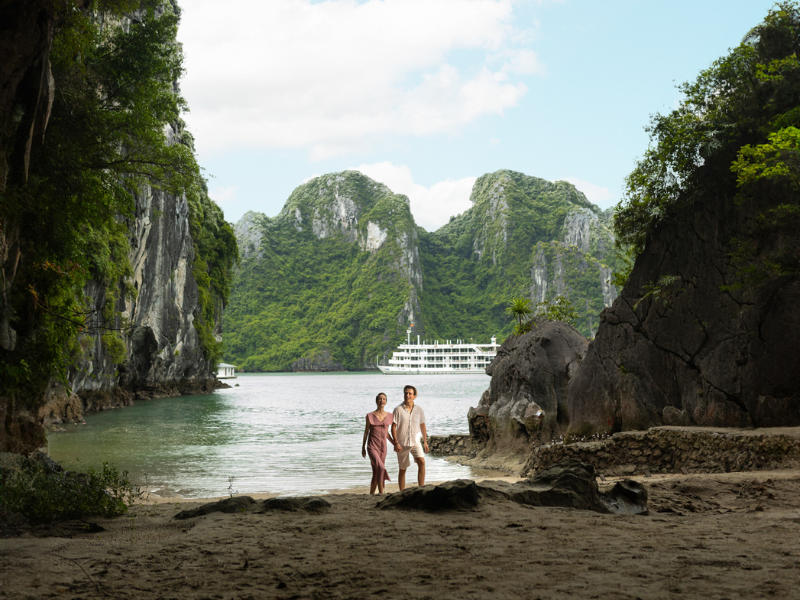
Sail on The Au Co’s 3D2N luxury cruise through Halong & Lan Ha Bay with spacious suites, premium dining, unique excursions, and wellness facilities.
3 Days Voyage through Gulf of Tonkin on Au Co cruise | Bhaya Soul Cruise



Pingback: 3atrophy
Pingback: [2026] Complete Halong Bay Travel Guide for First-Time Visitors
Pingback: Best Boat Tours in Lan Ha Bay and Ha Long Bay Compared
Pingback: Halong Bay Map: Zones, Attractions, and Cruise Routes (2026)