
Step aboard a small bamboo boat in Halong Bay, and within a few paddle strokes the limestone cliffs part to reveal something unexpected: a cluster of homes floating on the water. Nets hang from wooden railings. Children wave from doorways perched just above the waterline. A fisherman hauls in his morning catch as smoke drifts from a cooking fire on deck.
Halong Bay’s floating villages are among the most distinctive cultural experiences in Vietnam. They are working communities, not staged attractions, and visiting one gives travellers a rare window into a way of life that has shaped this coastline for centuries.
This guide covers the main villages worth knowing, what each one offers, and how to reach them from your cruise.
History of Halong Bay Floating Villages
Archaeologists trace the origins of settled life here to the Halong culture, which inhabited the limestone islands between 3,000 and 4,500 years ago. Fishing, seafood cultivation, and coastal trade by boat were established long before the villages had formal names.
By the 19th century, distinct fishing hamlets had formed across the bay. The most established ones descended from ancient communities known as Giang Vong and Truc Vong, the predecessors of today’s Cua Van village. Generations of families built floating homes from timber and bamboo, arranged around communal areas for trade and gathering.
In recent decades, Vietnamese authorities have partially relocated village residents to the mainland to protect the bay’s ecology as a UNESCO World Heritage Site. Several active communities remain today, and the government has invested in cultural preservation, restoring traditional structures and integrating the villages into responsible tourism programmes. Visiting them supports local livelihoods and helps sustain a maritime heritage that would otherwise be at risk.

Main Halong Bay Floating Villages
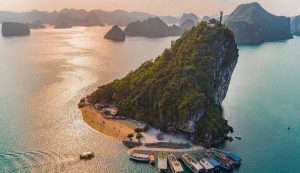
Floating communities exist across three bays in the broader Halong region: Halong Bay itself, Bai Tu Long Bay to the northeast, and Lan Ha Bay to the south near Cat Ba Island. The village you visit depends almost entirely on your cruise route, which makes choosing that route one of the most important decisions in your planning.
| Village | Bay | Approx. Size | Signature Experience |
|---|---|---|---|
| Cua Van | Halong Bay | 300+ households | Cultural centre, bamboo boat ride |
| Vung Vieng | Bai Tu Long Bay | 50 to 60 households | Pearl farming, Cao Cave gateway |
| Viet Hai | Lan Ha Bay | ~70 households | Cycling, forested island setting |
| Ba Hang | Halong Bay | ~50 households | Fishing, sunset views |
| Cong Dam | Bai Tu Long Bay | ~120 residents | Mangrove kayaking, coral reef area |
Cua Van: The Largest and Most Historic Village
Cua Van is the largest floating fishing village on Halong Bay, home to more than 300 households and around 750 residents. A widely cited global tourism survey has ranked it among the 16 most beautiful ancient villages in the world, a recognition that reflects both its scenic position and its cultural depth.
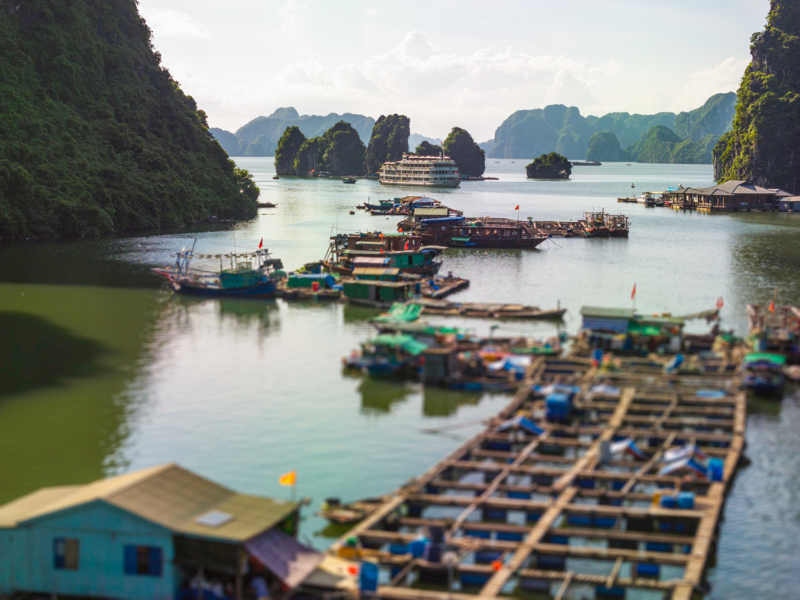
The Floating Cultural Centre was expanded in March 2025 and now holds over 850 artefacts covering centuries of local fishing heritage, from traditional net-weaving tools to historical records from the Vietnam War period. Visitors arrive by bamboo boat, watch morning net-casting on the water, and can stop at the working pearl farm at the village’s edge. A small floating school still operates for the community’s children, giving the village an everyday rhythm that outlasts the tour hours.
Cua Van is featured on selected itineraries by Bhaya Soul and The Au Co, allowing guests to experience the village through guided bamboo boat excursions while learning about its long-standing fishing traditions and floating community life.
Vung Vieng: The Most Serene and Authentic Escape
Vung Vieng lies around 25 km (15 miles) into Bai Tu Long Bay and draws fewer visitors than Cua Van. Around 50 to 60 families live here through fishing and pearl cultivation, in an environment that remains notably unhurried.
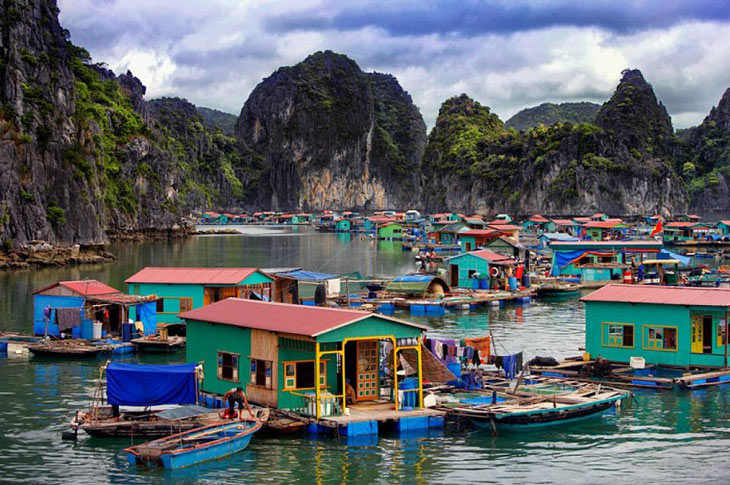
Every visitor enters through Cao Cave, a partly submerged limestone arch that forms the village’s natural gateway. Passing through it by bamboo boat, with the cave roof low overhead and the light shifting from green to gold, is one of the more memorable arrivals on any Halong Bay itinerary. The village has also added underwater viewing tubes near the pearl farms, allowing guests to observe oyster cages up to 15 metres (50 feet) below the surface without entering the water.
The name Vung Vieng traces back to an old merchant legend: passing traders once stopped here at midday, and sea breezes repeatedly blew the lids off their cooking pots.
Vung Vieng Floating Village is included in selected 3 Days Bhaya Legend private cruise itineraries in Bai Tu Long Bay, where guests can enjoy a quieter, more exclusive exploration of the village’s floating heritage, pearl farming, and spectacular limestone surroundings.
Viet Hai: The Village That Connects Lan Ha Bay to Cat Ba Island
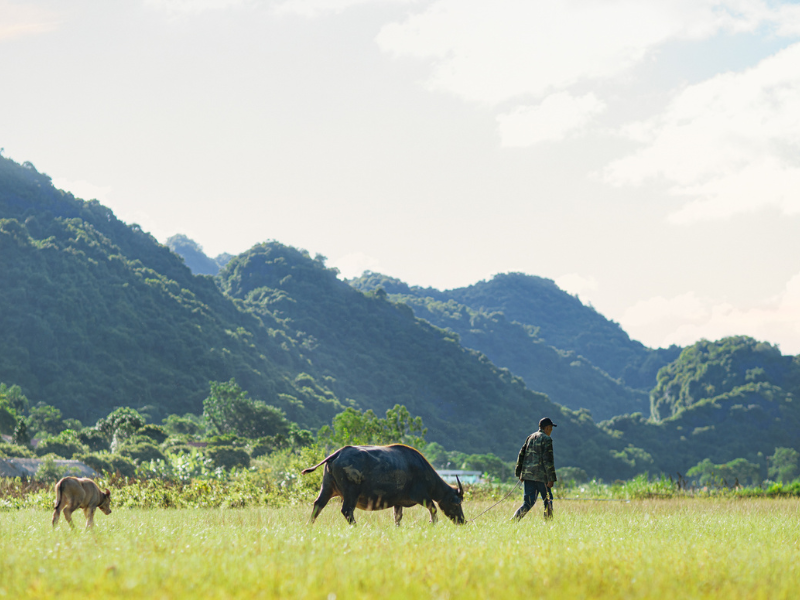
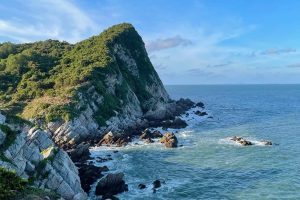
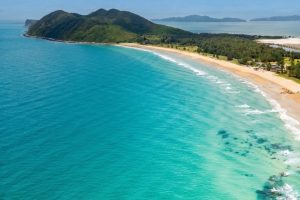
Viet Hai stands apart from every other community in the Halong region. Located inside Cat Ba National Park, it is sometimes called an “island within an island”: its 141 hectares include mountains, forest, and coastline within a single compact setting. Around 70 households live here on land rather than on water, farming alongside their fishing activities.
Visits to Viet Hai pair naturally with a Lan Ha Bay cruise and a Cat Ba Island stop. Travellers arrive by boat and explore by bicycle, cycling past timber farmhouses and meeting local families along the coast. The landscape is forested and quiet, a complete contrast to the limestone-and-water setting of the main bay’s floating communities.
Ba Hang and Cong Dam: For Travellers Who Prefer Fewer Crowds
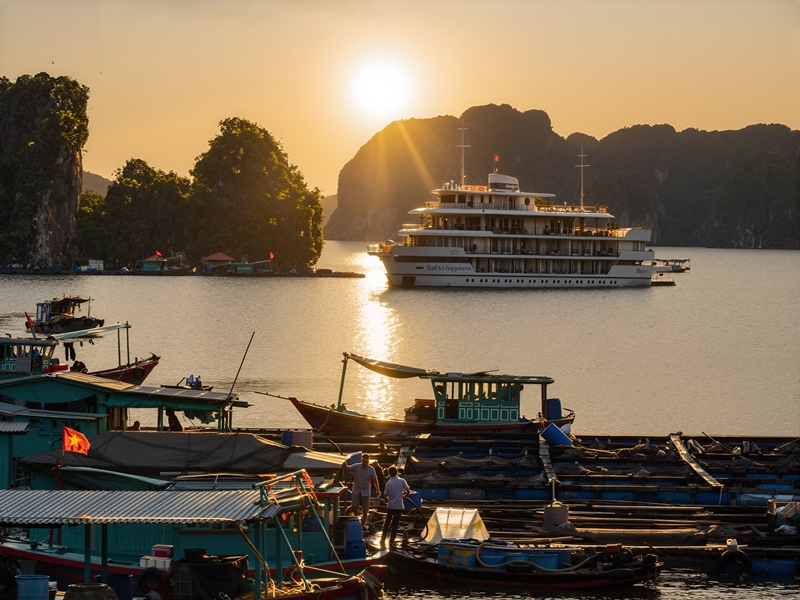
Ba Hang sits near Dau Go Island on Halong Bay, with around 50 families. The village is small and unhurried, with activities centred on hands-on fishing, squid catching, and watching the evening light settle across the water.
Cong Dam, deeper into Bai Tu Long Bay with around 120 residents, is the most culturally intact community in the region. Its surrounding waters include coral reefs and mangrove channels that make it well suited to kayaking and nature-focused excursions.
What You Can Do at a Halong Bay Floating Village?
Most village visits follow a similar pattern: a bamboo boat transfer from the main cruise, time to explore on the water, and one or two activities alongside the local community. The specifics vary by village and operator, but the following experiences appear consistently across quality overnight itineraries.
- Bamboo boat or kayak transfers. These small boats navigate the village lanes and, at Vung Vieng, pass through the low archway of Cao Cave before reaching the homes. The transition from open water to enclosed passage to open village is one of the more atmospheric sequences a Halong Bay cruise can offer.
- Pearl farming demonstrations. Guides explain the cultivation process from seeding through to harvest, and pearl jewellery is typically available to purchase directly from villagers. At both Cua Van and Vung Vieng, the farms are working operations rather than visitor reconstructions.
- Fishing participation. Options range from casting a wide bamboo-framed net to joining a squid fishing trip at dusk. These activities move at the fishermen’s own pace, which is part of what makes them worthwhile.
- Conservation activities. Some operators include bay cleanups as part of their village excursions, particularly on eco-focused itineraries. These give travellers a practical way to contribute alongside the community rather than simply observe it.
Photography is welcomed throughout the villages. The most rewarding encounters, though, tend to come from unhurried conversation rather than the camera.
How to Visit a Halong Bay Floating Village by Cruise?
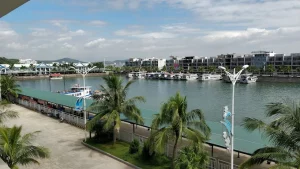
No floating village is accessible independently. The villages lie between 20 and 30 km (12 to 19 miles) from the coast, and all require departure by cruise or organised boat tour from Tuan Chau Harbor or Hon Gai Pier in Halong City.
Day cruises of 4 to 6 hours can include stops at Ba Hang and, on certain routes, Cua Van. Vung Vieng and Cong Dam require overnight itineraries given their distance from shore. Viet Hai Village in Lan Ha Bay is exclusive to multi-day routes that include Cat Ba Island, with most itineraries running at least two days on the water.
Before booking, confirm which village appears in your itinerary, the length of the stop, and whether a bamboo boat transfer is included as standard. For travellers who want to combine a Halong Bay village visit with wellness programming, Bhaya Soul‘s boutique overnight cruises cover the Cua Van corridor and include onboard activities such as morning meditation sessions and spa treatments alongside the cultural excursions.
Best Time to Visit a Halong Bay Floating Village
October to April offers the most reliable conditions for village visits. Seas are calm, skies tend to be clear, and temperatures stay between 18°C and 25°C (64°F and 77°F), which are comfortable for bamboo boat transfers, kayaking, and open-deck time on the water. Natural light during this period also works in favour of photography around the villages.
From May to September, warmer temperatures arrive alongside a higher risk of tropical storms. July and August carry the most weather uncertainty, and some cruise operators adjust their itineraries during this window, which can affect which village stops proceed as planned. The bay operates year-round, but travellers booking for this period should confirm itinerary conditions with their operator before departure.
Conclusion
The floating villages of Halong Bay carry one of Southeast Asia’s oldest living traditions. Each community operates on the rhythms of tide and season, and each offers something distinct: Cua Van for cultural depth and heritage, Vung Vieng for quiet remoteness and pearl farm access, Viet Hai for a forested island setting unlike anything found on the main bay.
The village you visit depends entirely on which cruise route you choose, so it is worth choosing deliberately. Whether you are drawn to the wellness and cultural immersion available along Halong Bay’s inner corridor, or to a longer voyage that crosses into Lan Ha Bay, Bhaya Cruises offers carefully considered boutique itineraries for both. Explore the full collection and find your rhythm at sea.
Frequently Asked Questions
Which Halong Bay floating village is the most popular to visit?
Cua Van Floating Village is the largest and most popular floating village in Halong Bay. It is home to more than 300 households and features a cultural centre that was expanded in March 2025, showcasing over 850 artefacts. The village is included on most overnight cruise itineraries departing from Tuan Chau Harbor.
Can I visit a Halong Bay floating village on a day cruise?
Yes, but your options are limited. Day cruises lasting 4–6 hours can typically visit Ba Hang and, on selected routes, Cua Van. More remote villages such as Vung Vieng and Cong Dam are generally only accessible on overnight cruises. Staying overnight also allows time for a bamboo boat transfer, a more immersive village visit, and the peaceful early morning atmosphere that day visitors often miss.
What activities are available at the floating villages?
Popular activities include bamboo boat or kayak tours through the floating villages, pearl farming demonstrations, and joining local fishermen for net casting or squid fishing. Some cruise itineraries also feature conservation activities as part of an eco-responsible tourism programme.
Are the Halong Bay floating villages still inhabited?
Yes. Several floating villages are still home to active fishing families, although many residents have been relocated to the mainland over recent decades to help protect Halong Bay’s ecosystem. Cua Van, Vung Vieng, Ba Hang, and Cong Dam all continue to have resident fishing communities.
What is the best floating village to visit in Lan Ha Bay?
Viet Hai Village, located within Cat Ba National Park, is the main cultural community featured on Lan Ha Bay itineraries. Unlike Halong Bay’s floating villages, Viet Hai is a land-based village that is typically explored by bicycle, offering visitors a unique combination of forest landscapes, farmland, and traditional rural life.

Pingback: Cua Van Floating Village: Halong Bay's Living Heritage Site - Truly Voyage UK
Pingback: Vung Vieng Floating Village: Bai Tu Long's Living Heritage - Truly Voyage UK